
Introduction
For years, Google Photos was known as the go-to cloud storage service that allowed users to back up an unlimited number of high-quality photos and videos—for free. This generous offering made it extremely popular among Android users and photography lovers. However, everything changed when Google officially ended its free unlimited storage policy. This decision, which took effect on June 1, 2021, marked the end of an era. Users worldwide had to rethink how they manage their digital memories. In this full review, we will explore the reasons behind Google’s decision, how it affects users, what alternatives are available, and whether Google Photos is still worth using in a post-free world.
The End of Free Unlimited Storage
When Google launched Google Photos in 2015, one of its biggest selling points was unlimited free storage for photos and videos, as long as they were uploaded in “High quality” (compressed) instead of “Original quality” (uncompressed). This offer revolutionized the way people managed their photos, and millions began relying on the service to store their entire visual history without worrying about space limits.
But starting June 1, 2021, this unlimited free storage ended. From that date onward, any new photos and videos uploaded to Google Photos began counting toward the 15 GB of free storage that comes with every Google account. This 15 GB is shared across all Google services—including Gmail, Google Drive, and Google Photos. Once users exceed that limit, they need to purchase additional storage through Google One, Google’s subscription-based cloud storage service.
Why Did Google End Free Storage?
Google stated that the decision was made to ensure the sustainability of its services. As more people began using cloud storage, the volume of data uploaded to Google Photos grew at an extraordinary rate. According to Google, over 4 trillion photos had been uploaded to the platform, with 28 billion new photos and videos added every week. This kind of exponential growth placed a heavy burden on Google’s infrastructure.
By ending the free unlimited tier, Google aims to better manage its storage resources while encouraging users to subscribe to Google One. This strategic move also aligns with Google’s business model, which increasingly focuses on subscription revenue in addition to advertising.
What Happens to Existing Photos?
The good news is that photos and videos uploaded before June 1, 2021, in “High quality” format, are not affected by the policy change. They remain free and do not count toward your 15 GB quota. Only content uploaded after that date is subject to the new storage limits.
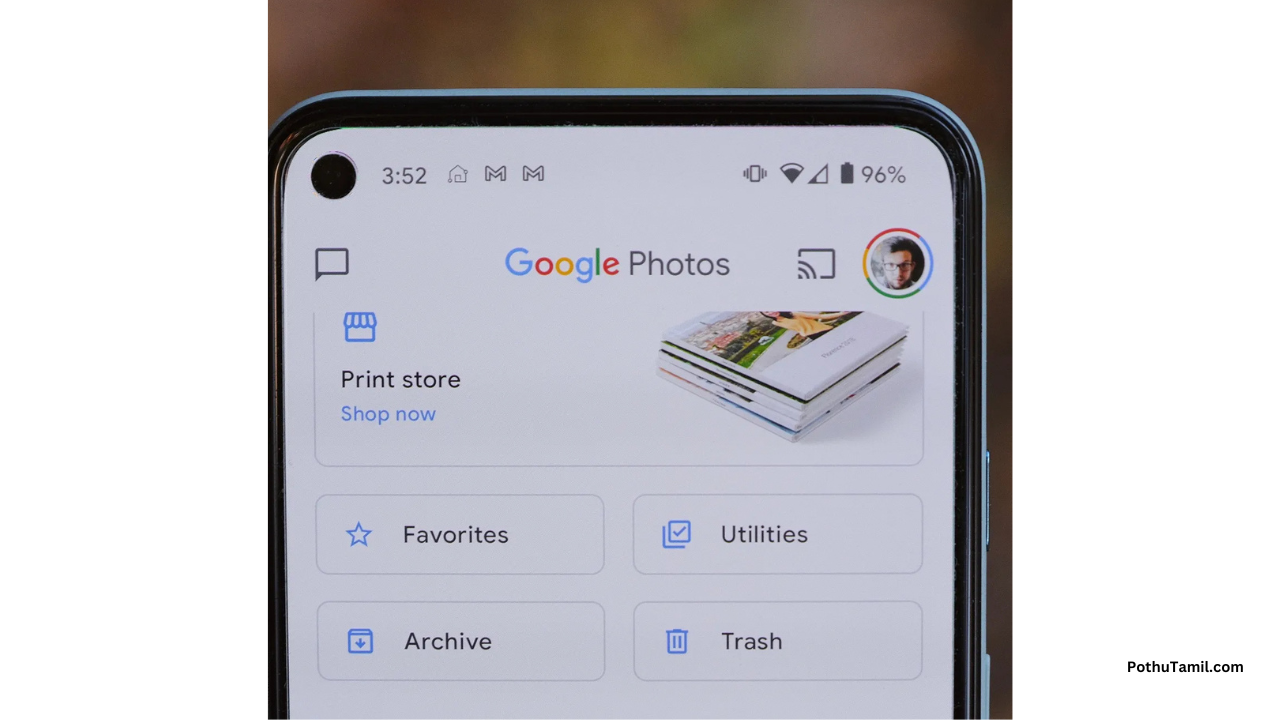
This means if you were a regular user of Google Photos before the change, your past backups remain safe and available. However, moving forward, you’ll need to monitor your usage or upgrade to a paid plan if you continue backing up photos regularly.
Impact on Users
The impact of this policy change has been significant, especially for users who were relying on Google Photos as their primary photo backup solution. For casual users who take only a few pictures a week, the 15 GB might last a while. But for those who shoot high-resolution images or record frequent videos—especially parents, travelers, and content creators—the free storage limit can be reached quite quickly.
Users have reported having to clean up their storage, delete old emails and attachments, compress media files, or pay for extra space. The shift from free to paid service has also led many to explore alternative cloud storage platforms such as Apple iCloud, Amazon Photos, Dropbox, and Microsoft OneDrive.
Google One: The Paid Alternative
To continue using Google Photos without interruptions, users are encouraged to subscribe to Google One, which offers tiered storage plans starting from 100 GB. These plans are relatively affordable and include benefits like automatic phone backups, access to Google experts, and additional editing tools in Google Photos.
For example, in India, the basic 100 GB plan starts at around ₹130 per month or ₹1,300 per year. Larger plans of 200 GB or 2 TB are available for families or users with heavier data needs. Google One also allows shared storage with family members, making it a flexible solution for households.
While some users are happy to pay for the convenience, others feel disappointed that a once-free service is now gated behind a paywall, especially considering how central Google Photos has become to digital life.
Is Google Photos Still Worth Using?
Despite the end of unlimited free storage, Google Photos remains one of the most feature-rich and user-friendly photo management apps available today. Its powerful AI-based search, automatic photo categorization, facial recognition, and built-in editing tools continue to offer unmatched convenience. The app automatically organizes memories by people, places, and events. It also creates animations, collages, and themed memories—features that are hard to find elsewhere.
In addition, the ability to sync across multiple devices and access your entire photo library from anywhere remains a big advantage. For users already invested in the Google ecosystem, sticking with Google Photos still makes sense, even if it means subscribing to Google One.
However, for those who prefer not to pay, the app’s usefulness is now limited unless they’re willing to constantly monitor their storage or find external solutions.
Get Link
Alternatives to Google Photos
The policy change has pushed many users to look for free or cheaper alternatives. Apple iCloud is a natural choice for iPhone users, offering seamless integration with Apple devices. Amazon Photos offers unlimited photo storage for Amazon Prime members, which can be a great option for those already subscribed to Prime. Dropbox and OneDrive also offer photo backup features, though usually with limited storage on free plans.
Some users are turning to external hard drives and offline backups to avoid cloud storage subscriptions altogether. While this method offers control over your data, it lacks the convenience and accessibility of cloud services like Google Photos.
Final Thoughts
The end of free unlimited storage on Google Photos is a significant shift that has affected millions of users. It reflects a broader trend in the tech industry where free services are gradually being replaced by subscription-based models. While the decision may be disappointing to many, it is also understandable from a business and sustainability perspective.
Google Photos is still a powerful and highly functional app. But its appeal as a “free for life” photo storage solution has clearly changed. Users now need to make a decision—either adapt to the new limits, pay for Google One, or migrate to another platform that better suits their needs.
In summary, the end of free storage has closed one chapter in the story of Google Photos, but the service itself continues to evolve and remain relevant in a world where digital memories are more precious than ever.
10th mark list
200
𝐶ℎ𝑢𝑟𝑐ℎ
𝑋𝑗𝑏ℎ
𝑉𝑛𝑢𝑛
𝐹𝑢𝑛.
Ganesh
Hii
Santhosh
King 🤴 👑 🦁 🤴 👑 🦁 🤴 👑 🦁 🤴 👑 🦁 🤴 👑 🦁 🤴 👑 🦁 🤴 👑 🦁 🤴
No
What your mark
Hi sir….
10th DC
🥹
Communication
birth certificate
My certificate
Missing
10th Mark sheet
Missing
Certificate
Certificate download
10 mark set
Good
Very useful for tha information
Captcha
Yes
Free
Hi
Hi
My self
Free
Murali
Photo editing
Pothu tamil
💥💯
Photo
GTA editing
T kallipatti payaluga
கிழக்கு தெரு பயலுக
Dbb
♥️♥️♥️♥️♥️♥️♥️♥️♥️♥️♥️♥️♥️♥️♥️♥️♥️♥️♥️😍🥰🥰🥰🥰😍😍🖤
Rkp ♥️ பயலுகடா
போட்டோஸ் எடிட்டிங்
Photo editor
மே 5/5/14 பிக் பயலுக டா
King my son
💥☠️
☠️
Instagram photo editor
Sakthivel
Rithish
S