
Introduction
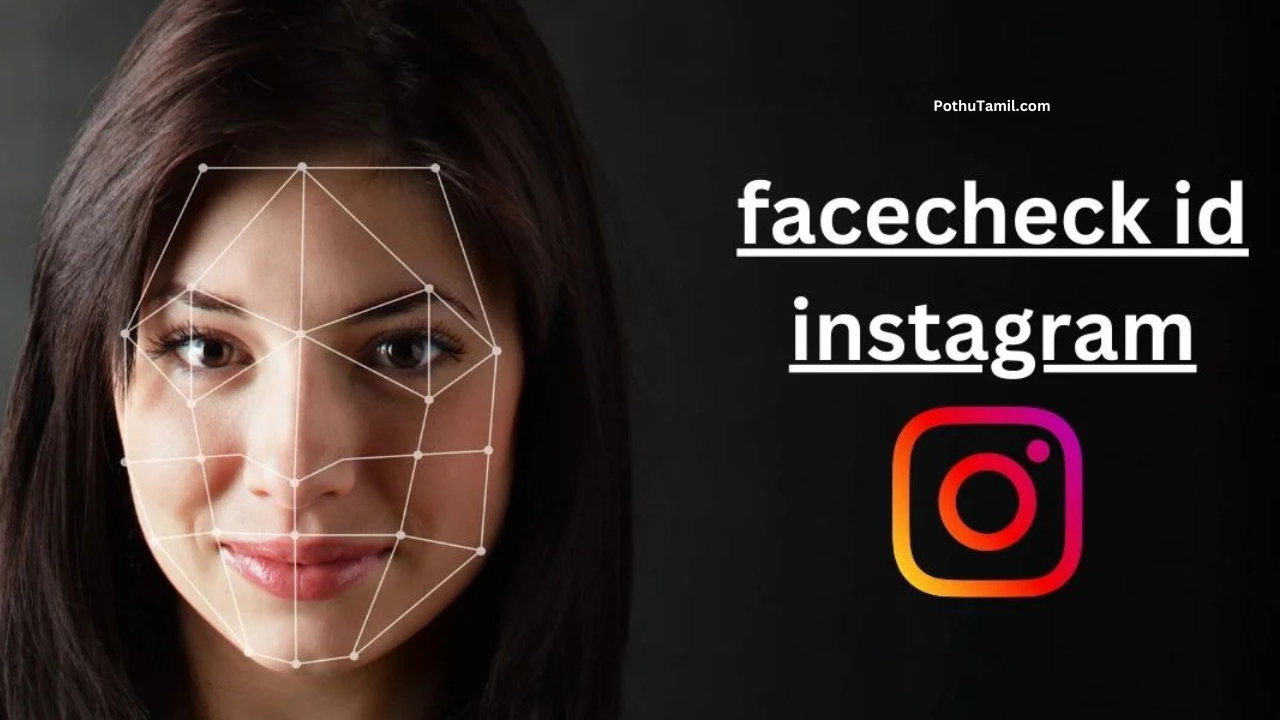
Finding where a photograph appears online can be difficult when traditional keyword searches are not enough. A picture may be reposted with a different filename, cropped, edited, or published without the original description. Face-search technology approaches this problem differently by concentrating on facial characteristics within an image. FaceCheck ID is designed around this type of visual search, helping users look for photographs that contain visually similar faces across its searchable web sources.
This can be useful for checking your own online photographs, researching possible image reuse, monitoring a public digital presence, or exploring visually related images. However, facial similarity should not automatically be interpreted as proof of identity. Search coverage, photograph quality, lighting, camera angle, and other factors can affect the results, making it important to review findings carefully rather than treating an automated result as definitive evidence.
What Is FaceCheck ID?
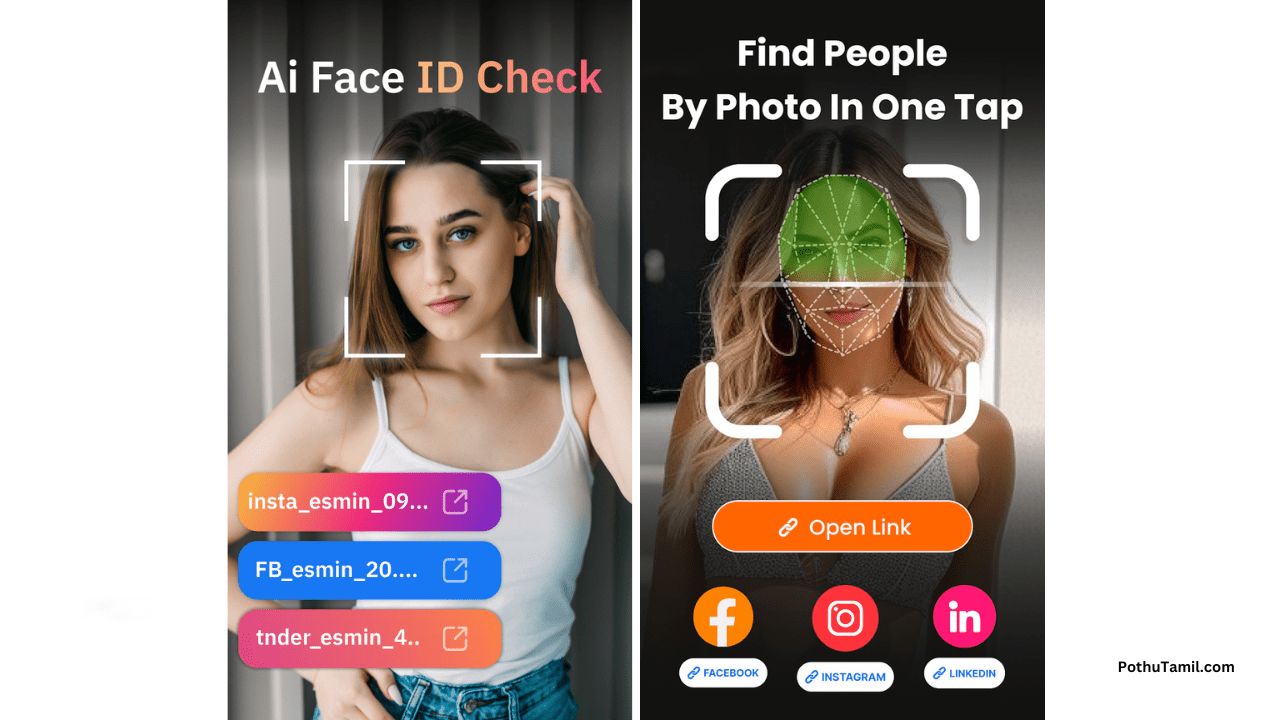
FaceCheck ID is an online facial image-search service that allows users to submit a photograph containing a face and search for visually similar appearances. Instead of depending primarily on words describing an image, facial-search technology analyzes characteristics of the visible face and compares them with faces available within its searchable image index.
This makes the service different from a conventional image search. A normal reverse-image tool may be particularly useful for locating the same photograph or visually related versions of an image, whereas a face-search service can potentially find photographs where the surrounding scene has changed but the facial characteristics remain visually similar. The usefulness of the results ultimately depends on the quality and coverage of the underlying search index.
How FaceCheck ID Works
The basic process begins when an image is submitted for searching. The system attempts to detect the face in the photograph and analyze its visual characteristics. Those characteristics can then be represented in a form that allows the system to compare the face against other faces within its searchable collection. Potentially similar results are subsequently presented for the user to examine.
Several factors can influence the quality of a facial search. A clear photograph with a visible face may provide more useful information than a blurry or heavily compressed image. Front-facing photographs can also behave differently from extreme side profiles. Changes in lighting, facial expression, hairstyle, camera angle, age, and image editing can all affect visual similarity.
The availability of online images is another important factor. A face-search service can only return results from photographs and webpages that are available within its searchable sources. Therefore, not finding a particular photograph does not necessarily mean that the image does not exist elsewhere on the internet.
Face Search vs Reverse Image Search
Facial search and traditional reverse-image search overlap in some situations, but they are not exactly the same. Reverse-image search generally attempts to identify the same image, modified copies, or visually related images. Facial search places greater emphasis on the face itself, which can be useful when an image has been cropped or placed into a different visual context.
For example, a portrait could be edited by changing its background or cropping out much of the original scene. A conventional image comparison may have less information available for matching, while a face-focused system can concentrate on the facial region. However, this approach can also generate results involving completely different people who happen to have similar facial characteristics.
Why People Use FaceCheck ID
One of the more practical reasons to use a face-search service is to investigate your own online image presence. A person who regularly publishes photographs publicly may want to discover whether a particular portrait has appeared on other webpages or whether related photographs are being used in unexpected places.
Photographers, creators, and businesses may also find visual search useful as part of image monitoring. If an image appears to have been reused without authorization, search results can provide possible locations for further investigation. However, the discovery of an image online does not by itself establish copyright infringement. Ownership, licensing, permission, and the circumstances surrounding publication still need to be considered.
Another potential use is researching a photograph that has been shared without sufficient context. A facial-search result can sometimes provide additional webpages or images that help users understand where a photograph may have appeared previously. Such results should be checked independently because automated matching can produce both relevant and unrelated results.
Understanding Face Search Results
The most important thing to understand is that a facial-search result represents a potential visual similarity, not necessarily a confirmed identity. Two unrelated individuals can have comparable facial features, while photographs of the same individual can look substantially different under different conditions.
| Search Result | Possible Interpretation |
|---|---|
| Same or nearly identical photograph | Possible duplicate or image reuse |
| Similar photograph | Potentially related image |
| Similar-looking face | Possible visual match requiring verification |
| Unexpected or weak match | Possible false positive |
Users should examine the original webpage, photograph, surrounding context, and other available information before drawing an important conclusion from a result.
Accuracy and Limitations
No facial-search service should be considered perfectly accurate. Image quality is one of the biggest variables. Low-resolution photographs, partially covered faces, extreme viewing angles, unusual lighting, and aggressive editing can make facial comparison more difficult. Even a high-quality photograph can produce an inaccurate result when another person has similar facial characteristics.
Search coverage is another limitation. The internet contains an enormous number of images, and no single service can guarantee complete indexing of every publicly available photograph. A genuine image may therefore remain outside the results even when it is publicly accessible somewhere online. This means both positive and negative results need to be interpreted carefully.
For high-stakes situations such as employment, financial decisions, legal matters, or personal accusations, facial-search results should never be used as the sole basis for a decision. Independent evidence and appropriate professional verification are much more reliable.
Privacy and Security
Facial photographs deserve particular privacy consideration because they can potentially be connected to identifiable individuals. Before uploading an image to any online facial-search service, users should review the current privacy policy and terms of service and understand how uploaded photographs and related search information are handled.
It is generally sensible to search photographs that belong to you or that you are authorized to process. Users should avoid unnecessarily uploading sensitive personal photographs and should be cautious about providing additional information that is not required for the intended search.
Privacy concerns become especially important when searching photographs of other people. A legitimate reason for processing an image does not automatically mean that every possible use is appropriate. Users should consider consent, authorization, applicable privacy rules, and the potential consequences of the search before proceeding.
Is FaceCheck ID Safe to Use?
The safety of an online face-search service depends on its current security practices, privacy policies, data-handling procedures, and the user’s own behavior. Before using the platform, it is sensible to review the official information available from the provider rather than assuming that all uploaded images are handled in the same way as ordinary search queries.
Users should also be cautious about suspicious third-party websites claiming to provide access to facial-search results. Avoid unnecessary downloads, browser extensions, or requests for sensitive personal information when they are unrelated to the search itself. If the service provides information about image retention or deletion, users should understand those options before submitting photographs.
Free and Paid Search Options
Online visual-search services can use different access models. Depending on the current offering, some searches or result information may be available with limitations, while higher search volume or additional functionality may require credits or a paid subscription. Pricing, limits, and features can change, so users should check the service’s current information before making a purchase.
| Consideration | Limited / Basic Access | Paid Access |
| Search availability | May be restricted | May provide expanded access |
| Search volume | Usually limited | Depends on the selected plan |
| Result access | May have limitations | May offer additional access |
| Advanced functionality | Depends on service | May be included in selected plans |
A paid option is most useful when the additional search capability provides genuine value for a legitimate purpose. Users should understand the current terms and pricing before committing to a subscription or purchasing credits.
Responsible Use of Facial Search
Face-search technology can be useful when it is applied to legitimate and privacy-conscious situations. Checking your own photographs, monitoring images you own, researching possible unauthorized image reuse, and conducting authorized visual research are examples of appropriate applications.
It should not be treated as a tool for harassment, stalking, doxxing, or secretly building personal profiles about individuals. Even when a result appears convincing, users should avoid making accusations based solely on automated facial similarity. A responsible approach is to treat the search as an initial research step and independently verify anything important.
Protecting Your Own Photos Online
People concerned about their photographs being reused can combine visual monitoring with sensible privacy practices. Reviewing privacy settings on social platforms can reduce unnecessary exposure, while maintaining original files, licensing records, and publication information can help demonstrate ownership when needed.
Professional photographers and businesses can benefit from maintaining organized records of their digital assets and authorized uses. If an image appears on an unfamiliar website, recording the webpage and checking whether permission exists before taking further action can help prevent misunderstandings. Where unauthorized use is confirmed, the appropriate response may depend on the website, platform, licensing arrangement, and applicable copyright rules.
Who Can Benefit From Face Search?
Face-search services can be useful for photographers monitoring published work, creators checking their public image presence, individuals investigating their own photographs, and businesses managing publicly distributed visual assets. Researchers may also find visual-search technology useful when conducting legitimate and authorized investigations.
The value of the service depends heavily on the purpose. For casual curiosity, results may simply be interesting. For professional image monitoring, the service can potentially become one component of a broader workflow that also includes traditional reverse-image search, manual verification, copyright records, and privacy procedures.
Frequently Asked Questions
What is FaceCheck ID?
FaceCheck ID is a facial image-search service that searches for visually similar faces within its available online sources. Users submit an image and review potential matching results.
Can FaceCheck ID identify someone with 100% accuracy?
No. Facial similarity is not equivalent to confirmed identity. False positives, missed matches, image-quality issues, and incomplete search coverage can all affect the results.
Can I search my own photograph?
Yes. Searching your own publicly available photograph can be a reasonable way to investigate where similar or reused images may appear online.
Does a similar face prove it is the same person?
No. A similarity result only indicates that the system found comparable visual characteristics. Important conclusions should be supported by independent information.
Is facial searching legal?
The legal position can vary depending on the country, purpose of the search, and type of personal information involved. Privacy and biometric-data requirements can differ significantly between jurisdictions.
Should I upload another person’s photograph?
Consider whether you have a legitimate purpose and appropriate authorization before uploading another person’s photograph. Privacy and ethical concerns should be taken seriously.
Final Verdict
FaceCheck ID shows how computer vision can make online image research more specialized by concentrating on facial characteristics rather than relying exclusively on image filenames or keywords. For legitimate purposes such as monitoring your own photographs, investigating possible image reuse, or researching an online visual presence, this type of search can be a useful addition to traditional reverse-image tools.
At the same time, users should maintain realistic expectations. Search results are not guaranteed to be accurate, online coverage is incomplete, and visual similarity does not establish identity. Privacy is equally important because facial photographs can involve sensitive personal information.
The safest approach is to use facial-search technology for legitimate purposes, review the provider’s current privacy and usage policies, and independently verify important results. When used with those precautions, FaceCheck ID can serve as a practical visual-research tool without treating automated matching as definitive proof.
Tamizy
It’s a very useful for me
WhatsApp no online call OT
Face
Art
Hii
English
Murali
Please
Face
Face
Face
Face
Face id
Instagram id