
Introduction
Healthcare costs in India have been rising steadily, making it essential for individuals and families to have financial protection against medical expenses. Understanding health insurance coverage in India helps you prepare for unexpected medical situations without facing financial stress. From hospitalization to critical illness treatment, insurance plays a key role in managing healthcare costs effectively.
With multiple insurance providers and plans available, choosing the right coverage can be confusing. This guide explains how health insurance works, its benefits, types of plans, and how to select the most suitable option based on your needs.
What Is Health Insurance & How It Works?
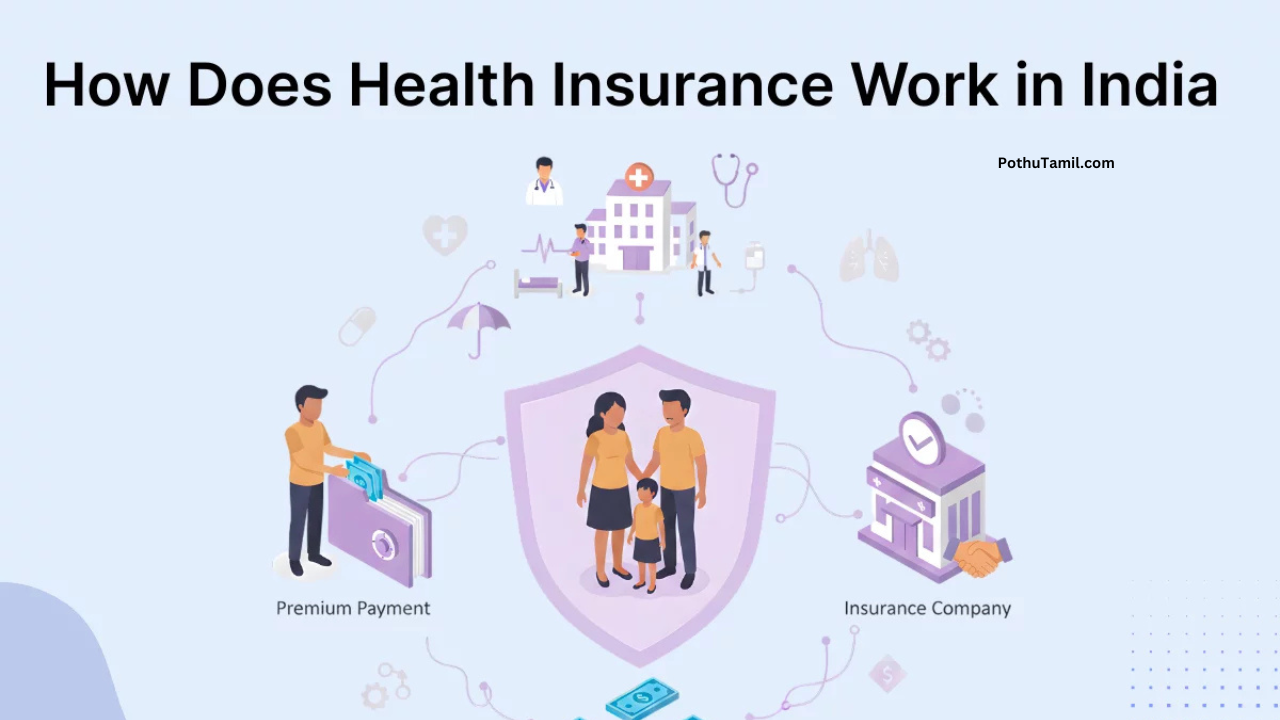
Health insurance is a financial product that covers medical expenses incurred due to illness, injury, or hospitalization. In exchange for a premium, the insurance company provides coverage for various healthcare services.

When you purchase a policy, you are covered up to a certain sum insured. If a medical event occurs, the insurer either pays the hospital directly (cashless treatment) or reimburses your expenses after submission of bills. The coverage may include hospitalization, surgeries, daycare procedures, and sometimes preventive care.
Also Read: IndiaBonds Invest in Bonds/FDs
Key Features of Health Insurance Coverage in India
Health insurance plans are designed to provide comprehensive protection against rising medical costs. They offer various features that ensure flexibility and financial security for policyholders.
| Feature | Description |
|---|---|
| Cashless Treatment | Direct settlement with network hospitals |
| Pre & Post Hospitalization | Covers expenses before and after admission |
| Daycare Procedures | Covers treatments not requiring 24-hour stay |
| No Claim Bonus | Increased coverage for claim-free years |
| Wide Network Hospitals | Access to multiple healthcare providers |
These features make insurance plans more effective in covering different types of medical needs. Choosing a plan with a wide hospital network and comprehensive coverage ensures better accessibility during emergencies.
Benefits of Health Insurance
Health insurance offers several advantages beyond just covering hospital bills. The primary benefit is financial protection against high medical costs, which can otherwise impact savings.
It also provides access to quality healthcare without worrying about immediate expenses. Many policies include preventive health checkups, helping in early diagnosis and treatment. Tax benefits under applicable laws further make insurance a valuable financial tool.
Having insurance also gives peace of mind, knowing that you are prepared for unexpected health-related situations.
Free vs Paid Health Insurance Plans – Which Is Better?
Health coverage options in India include government-supported schemes and private insurance plans. Both have their own advantages depending on eligibility and requirements.
| Feature | Free / Government Schemes | Paid Plans |
|---|---|---|
| Cost | No premium or subsidized | Regular premium required |
| Coverage Amount | Limited | Higher coverage options |
| Hospital Network | Restricted | Wider network |
| Flexibility | Limited customization | Customizable plans |
| Waiting Period | May apply | Depends on policy |
Government schemes are useful for basic coverage, especially for economically weaker sections. Paid plans offer higher flexibility and broader benefits, making them suitable for individuals seeking comprehensive protection.
Comparison / Alternatives – Types of Health Insurance Plans
There are different types of plans available in India, each designed for specific needs. Understanding these options helps in choosing the right coverage.
| Plan Type | Best For | Key Benefit |
|---|---|---|
| Individual Plan | Single person | Personalized coverage |
| Family Floater | Families | Covers multiple members |
| Senior Citizen Plan | Older individuals | Specialized benefits |
| Critical Illness Plan | Serious conditions | Lump sum payout |
| Group Insurance | Employees | Employer-provided coverage |
Each type of plan serves a different purpose. For example, family floater plans are cost-effective for households, while critical illness plans provide additional financial support for serious medical conditions.
Use Cases
Health insurance is useful in a variety of real-life situations. It provides support during hospitalization, surgeries, and treatment for major illnesses.
Families benefit from coverage that protects multiple members under a single plan. Individuals with high-risk lifestyles or medical history can use insurance to reduce financial burden during treatment. It is also useful for covering planned procedures and routine health checkups.
In emergency situations, having insurance ensures immediate access to treatment without worrying about costs.
Best Use Scenario
The best way to use a health insurance plan is to have it in place before any medical emergency occurs. Early purchase ensures lower premiums and reduces waiting periods for certain conditions.
It is ideal for covering major hospitalization expenses rather than small routine costs. Choosing a plan with sufficient coverage and using network hospitals for cashless treatment can maximize benefits effectively.

Is It Safe / Legal?
Health insurance in India is regulated by the Insurance Regulatory and Development Authority of India, ensuring that policies follow standard guidelines and provide transparency to customers.
Purchasing insurance from registered companies is safe and legal. Policyholders should read terms and conditions carefully and ensure that they understand coverage details, exclusions, and claim procedures.
Who Should Use Health Insurance?
Health insurance is essential for everyone, regardless of age or income level. It is particularly important for individuals with dependents, senior citizens, and people with medical history.
Working professionals, families, and business owners can all benefit from having coverage. Even young individuals should consider buying insurance early to lock in lower premiums and ensure long-term protection.
Pros & Cons
Pros:
- Provides financial protection against high medical expenses
- Offers access to quality healthcare services
- Covers a wide range of treatments and procedures
- Includes tax benefits under applicable laws
- Helps in long-term financial planning
Cons:
- Premium payments required regularly
- Waiting periods for certain conditions
- Some treatments may not be covered
- Claim process may require documentation
- Policy terms can vary between providers
Final Verdict
Health insurance is an essential financial tool that helps individuals and families manage rising medical costs effectively. By choosing the right plan and understanding its features, you can ensure better protection and peace of mind.
With various plans available in India, it is important to compare options carefully and select coverage that matches your needs. A well-chosen policy can provide long-term financial security and support during medical emergencies.
Frequently Asked Questions
What is the ideal coverage amount?
The ideal coverage depends on factors like city, lifestyle, and medical inflation, but higher coverage is generally recommended.
Are pre-existing diseases covered?
Yes, but usually after a waiting period defined by the policy.
Can I use insurance immediately after purchase?
Some benefits are available immediately, but certain conditions may have waiting periods.
Is cashless treatment available everywhere?
Cashless treatment is available only at network hospitals listed by the insurer.
App
Voicher app