

Introduction
Perimeter VPN is a modern cybersecurity solution designed to provide secure and controlled access to enterprise networks. With increasing cyber threats, remote work adoption, and cloud-based systems, traditional VPN technology is becoming less effective for business-level security needs. Perimeter VPN solves this problem by introducing identity-based access control and strict security boundaries around internal systems.
Unlike traditional VPN systems that allow full network access after login, Perimeter VPN ensures that users only access specific applications they are authorized to use. This reduces internal exposure and significantly improves security in enterprise environments where sensitive data is involved.
What Is Perimeter VPN
Perimeter VPN is a network security architecture that creates a controlled digital boundary around private systems. It allows only verified and authenticated users to access specific applications or services while keeping the rest of the internal network hidden from unauthorized access.
This approach is designed for modern enterprise infrastructures where cloud computing, remote access, and distributed teams are common. Instead of giving full access like traditional VPNs, Perimeter VPN enforces strict identity-based rules to control every access request.
How Perimeter VPN Works
Perimeter VPN works using a structured authentication process where every user request is verified before access is granted. When a user attempts to connect, the system checks multiple security factors such as login credentials, device health, and multi-factor authentication.
After successful verification, the user is granted access only to selected applications instead of the full internal network. This ensures that users cannot move freely inside the system, which significantly reduces the risk of internal attacks and unauthorized data access.
In enterprise environments, this controlled access mechanism plays a key role in preventing cyber threats. Even if login credentials are compromised, attackers cannot access the entire system due to restricted application-level permissions.
Core Security Model (Zero Trust Architecture)
Perimeter VPN is built on Zero Trust security principles, where no user or device is trusted by default. Every access request is continuously verified before permission is granted, regardless of whether the user is inside or outside the network.
This model is widely used in modern cybersecurity systems because it reduces attack surfaces and prevents unauthorized lateral movement inside networks. It ensures that every connection is treated as potentially risky until verified properly.
Enterprise Benefits
Perimeter VPN provides strong security advantages for enterprise organizations handling sensitive business data. It helps protect internal systems from unauthorized access while enabling secure remote work capabilities for employees.
Organizations using cloud infrastructure benefit significantly because Perimeter VPN ensures controlled access to applications without exposing the entire network. This improves operational security and reduces the chances of data leaks or system compromise.
It also helps companies maintain compliance with cybersecurity standards required in industries like finance, healthcare, and IT services where data protection is critical.
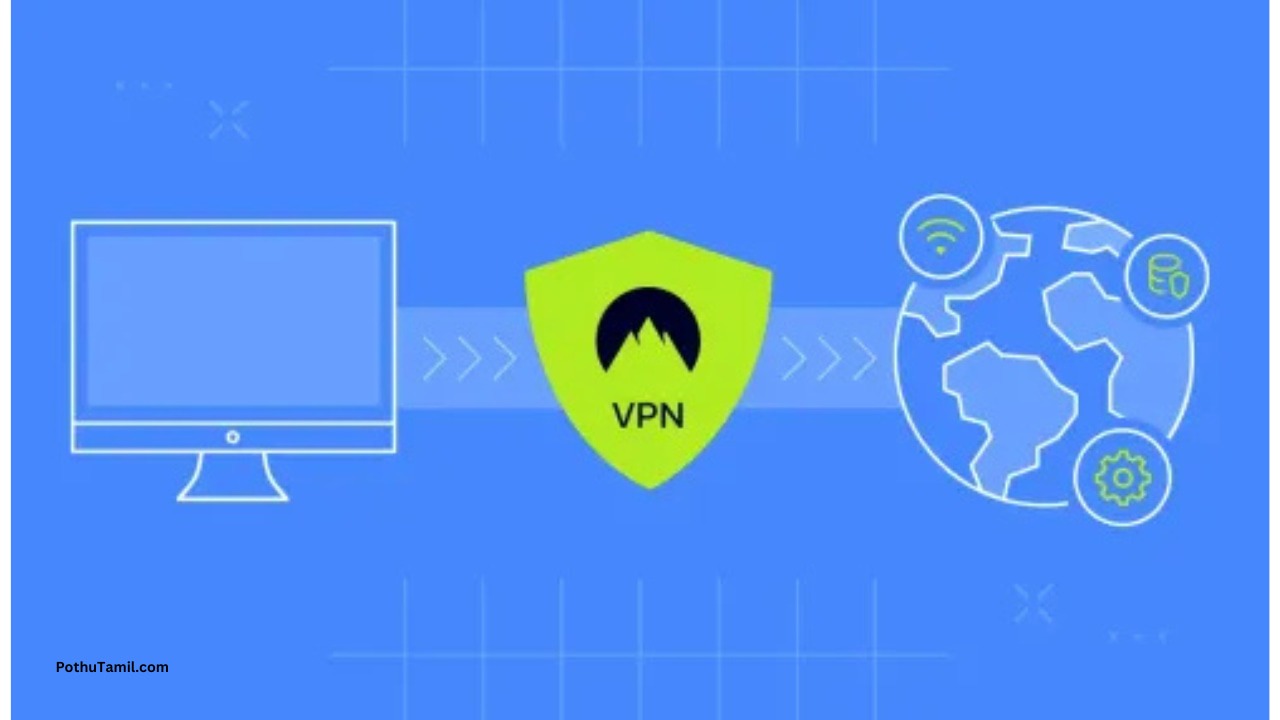
Traditional VPN vs Perimeter VPN
Traditional VPN systems provide full network access after authentication, which can create serious security risks if credentials are compromised. Once inside the network, attackers may access multiple internal systems without restriction.
Perimeter VPN solves this issue by limiting access to specific applications based on identity and security policies. This makes it far more secure in modern enterprise environments where data protection is a top priority.
It follows a Zero Trust approach where every request is verified continuously, ensuring tighter control over internal resources.
Cloud and Remote Work Security
Perimeter VPN plays a major role in securing cloud-based systems and remote work environments. As businesses increasingly shift to cloud infrastructure, secure access control becomes a critical requirement.
It ensures that employees can safely access internal applications from different locations without exposing the full network. This helps organizations maintain strong security while supporting flexible work environments.
Business Use Cases
Perimeter VPN is widely used in enterprise environments such as IT companies, financial institutions, healthcare systems, and government organizations. These industries handle sensitive data and require strict access control systems.
It is also used in large-scale businesses where remote employees need secure access to internal applications. This ensures that business operations remain protected even in distributed work environments.
Security Advantages
Perimeter VPN significantly reduces attack surface by hiding internal systems from unauthorized users. This makes it difficult for attackers to scan or identify internal services.
It also prevents lateral movement inside networks, ensuring that even if one account is compromised, attackers cannot access other systems. Combined with encryption and identity verification, it provides a strong security framework for enterprises.
Limitations
Perimeter VPN can be complex to implement compared to traditional VPN systems. It requires proper configuration, technical expertise, and continuous management to maintain security effectiveness.
It may also involve higher costs depending on enterprise requirements and infrastructure size. However, organizations accept these limitations due to the strong security benefits it provides.
Modern Alternatives
Modern cybersecurity solutions offer several alternatives to Perimeter VPN, including Zero Trust Network Access (ZTNA), Software Defined Perimeter (SDP), and cloud-based security gateways.
These systems also focus on identity-based access control and restricted network visibility, making them widely used in enterprise security environments.
Final Verdict
Perimeter VPN is a powerful enterprise cybersecurity solution designed for modern digital environments. It enhances traditional VPN systems by introducing identity-based access control, Zero Trust architecture, and application-level security.
It is widely used in organizations that require strong data protection and secure remote access. With increasing cyber threats and cloud adoption, Perimeter VPN has become an essential part of modern enterprise security strategies.
Ganesh
Nice
Yes
Thanks