
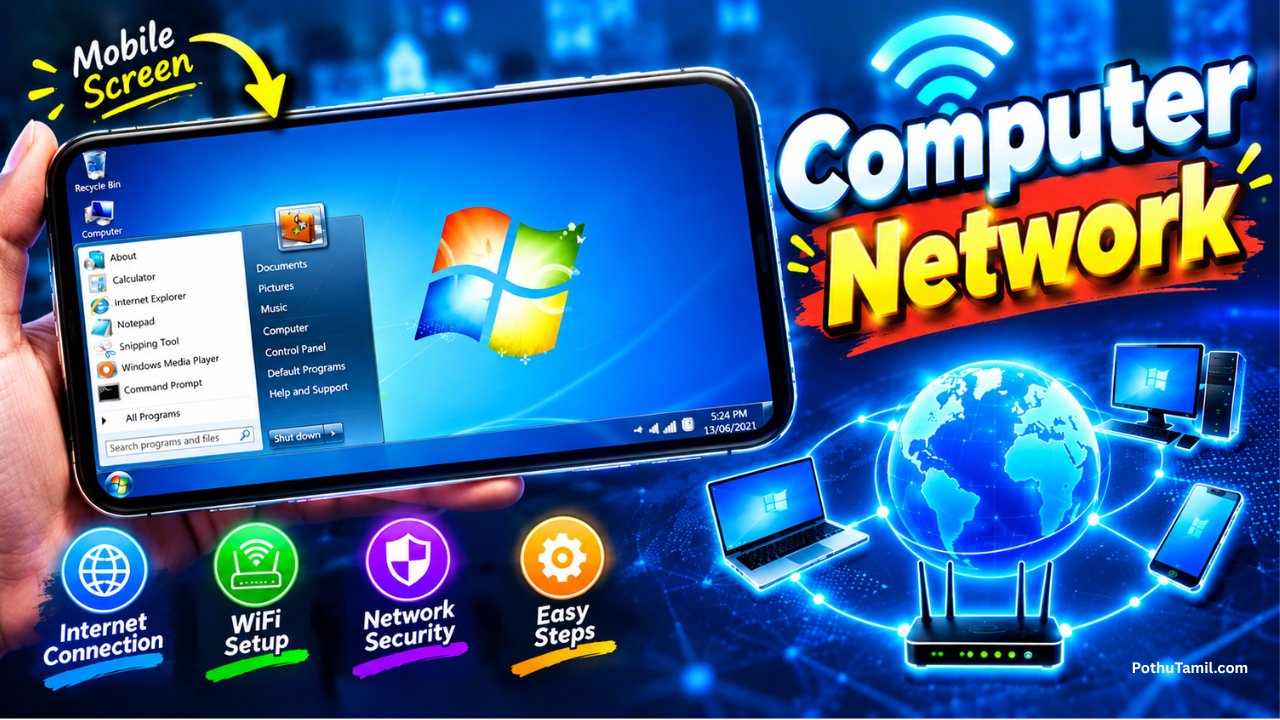
A Computer Network is a system that connects computers, servers, smartphones, and other digital devices so they can communicate, exchange data, and share resources. Computer networks are used everywhere, from home Wi-Fi connections and small business networks to large enterprise infrastructures and cloud environments. As organizations depend more heavily on digital services, reliable networking and professional network management software have become essential for maintaining connectivity, performance, and security.
What Is a Computer Network?
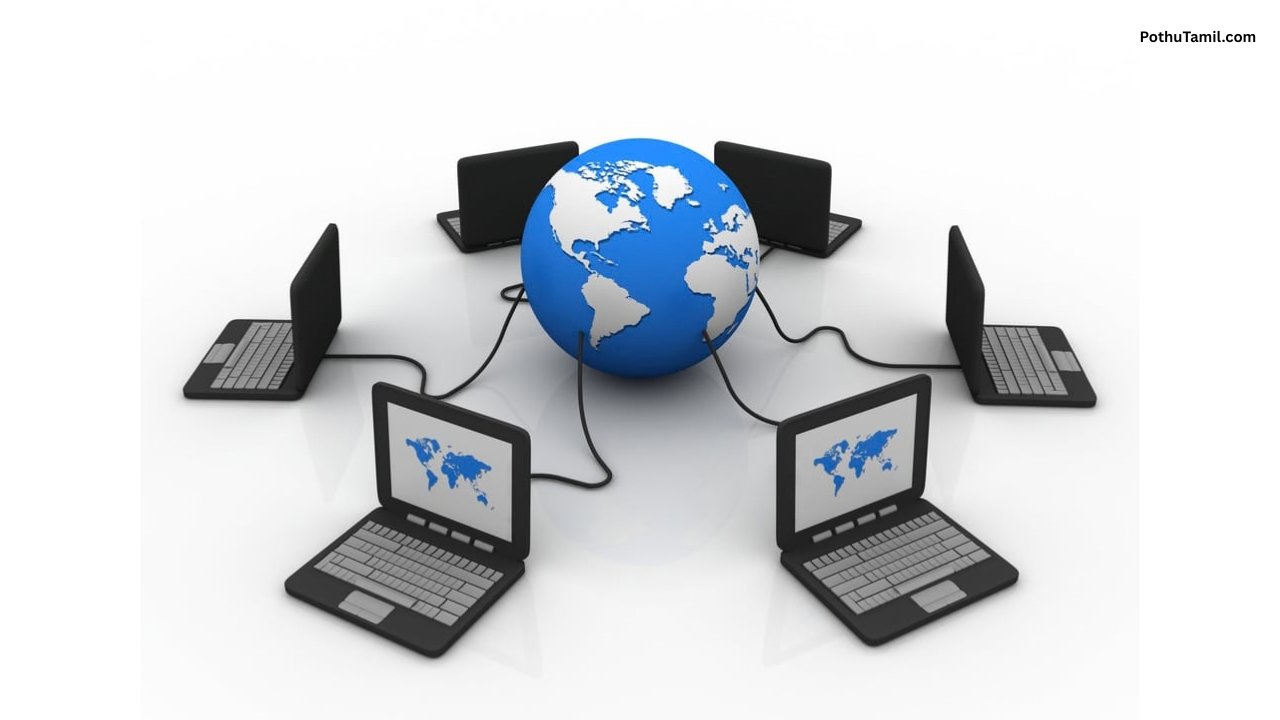
A computer network connects two or more computing devices through wired or wireless communication technologies. Connected devices can exchange information, access shared resources, communicate with servers, and use services available through the network.
For example, an office network can connect employee computers to shared printers, file servers, business applications, internet services, and cloud platforms. A home network can connect laptops, smartphones, televisions, gaming systems, and smart-home devices through a wireless router.
Computer networks can vary considerably in size and complexity. A small network may contain only a few devices, while an enterprise network can contain thousands of computers, switches, routers, servers, firewalls, wireless access points, and cloud resources.
How Does a Computer Network Work?
A computer network works by transferring information between connected devices using networking protocols. When a device sends data, the information is divided into packets that travel through the network toward their destination.
Routers determine where network traffic should go between different networks, while switches connect devices within a local network. Wireless access points allow devices such as smartphones and laptops to connect through Wi-Fi.
Protocols such as TCP/IP provide the basic rules that allow devices and applications to communicate. Other protocols support specific functions such as web browsing, DNS, email, file transfers, authentication, and secure communication.
This combination of hardware, software, addressing, protocols, and communication links allows millions of devices to communicate across modern networks.
Types of Computer Networks
A Local Area Network, or LAN, connects devices within a limited geographical area. Homes, schools, offices, and small businesses commonly use LANs to connect nearby devices and share resources.
A Wide Area Network, or WAN, connects networks across larger geographical areas. Businesses can use WAN infrastructure to connect offices in different cities, states, or countries. The internet is the largest example of an interconnected global network.
A Metropolitan Area Network, or MAN, generally covers a city or metropolitan region. A Personal Area Network, or PAN, connects devices located around an individual, such as a smartphone, smartwatch, laptop, and wireless headphones.
Modern organizations may also operate hybrid networks that combine on-premises infrastructure with cloud environments and remote users.
Main Components of a Computer Network
Several hardware and software components work together to create a functioning network. Network Interface Cards allow computers and other devices to connect to networks, while switches connect multiple devices within a local environment.
Routers connect different networks and determine how traffic should be forwarded. Wireless access points provide Wi-Fi connectivity, while modems and other gateway devices can provide connections to internet service providers.
Servers provide centralized services such as databases, applications, websites, file storage, authentication, and email. Firewalls help control network traffic and protect systems from unauthorized access.
Network management software is also increasingly important, particularly for businesses with large and complex infrastructures. These platforms allow administrators to monitor devices, identify problems, analyze performance, and manage network operations from centralized dashboards.
Network Management Software for Businesses
Managing a small home network is relatively simple, but enterprise networks can contain hundreds or thousands of connected devices. Manually monitoring all of these systems would be difficult, which is why businesses often use professional network management and monitoring platforms.
SolarWinds Network Performance Monitor is a business-focused network monitoring platform designed to provide visibility into network performance. It can monitor multi-vendor network devices and help administrators track metrics such as latency, packet loss, bandwidth utilization, and device performance. It also provides tools for network discovery and troubleshooting.
ManageEngine OpManager is another widely used network and infrastructure monitoring platform. It allows IT teams to monitor routers, switches, servers, interfaces, and other infrastructure components. Businesses can use centralized dashboards and alerts to identify performance problems and investigate network issues.
Paessler PRTG Network Monitor is also relevant for organizations that need centralized infrastructure monitoring. PRTG can monitor network devices, traffic, servers, applications, and other IT infrastructure through sensors and dashboards. Its commercial positioning makes network monitoring software an important business technology category for organizations managing larger infrastructures.
These platforms are particularly useful when a business needs continuous visibility rather than occasional manual checks. They can help IT teams identify abnormal traffic, device failures, connectivity problems, and performance issues.
Network Security
Network security protects connected systems from unauthorized access, malware, data theft, and other cyber threats. Businesses use multiple layers of security because a single technology cannot address every networking risk.
Firewalls control network traffic based on security policies, while encryption protects information as it moves between systems. Authentication mechanisms help verify users and devices, and access-control policies determine which resources users can reach.
Fortinet is a major business security technology provider with products covering firewalls, secure networking, wireless networking, and network security management. Its FortiGate next-generation firewalls are designed to provide security and networking capabilities for organizations ranging from smaller businesses to large enterprises.
Network security has become even more important as businesses adopt cloud computing and remote work. Employees may connect to business applications from homes, offices, mobile devices, and other locations, creating a much larger environment that IT teams must protect.
Cisco and Enterprise Networking
Cisco is another major company associated with enterprise networking. Its networking portfolio includes switches, routers, wireless infrastructure, security technologies, and network management solutions.
For larger organizations, Cisco networking products can form the infrastructure connecting employees, servers, applications, data centers, and cloud environments. Cisco’s enterprise-focused networking ecosystem also includes management and automation technologies that help IT teams operate larger infrastructures.
The enterprise networking market is commercially significant because businesses often require specialized hardware, software, security, monitoring, support, and professional services to operate their networks effectively.
Benefits of Computer Networking
Computer networks allow organizations to share resources efficiently. Employees can access shared files, printers, databases, applications, internet connections, and cloud services without maintaining separate resources for every individual user.
Networking also improves communication and collaboration. Employees in different departments or locations can access centralized business systems and communicate through internet-based applications.
Another major advantage is centralized management. IT administrators can monitor network devices, apply security policies, troubleshoot problems, control access, and maintain infrastructure from centralized systems. Network monitoring software can make this process more efficient by providing automated alerts and performance information.
Wired and Wireless Networks
Wired networks commonly use Ethernet or fiber-optic connections. They are widely used in offices, data centers, schools, and other environments where stable and predictable connectivity is important.
Wireless networks use technologies such as Wi-Fi to connect devices without requiring a physical cable for every connection. This makes wireless networking convenient for laptops, smartphones, tablets, smart devices, and mobile employees.
Many modern organizations use both technologies. Servers and fixed infrastructure may rely on wired connections, while employees and mobile devices use secure wireless networks.
Computer Networks and Cloud Computing
Cloud computing has significantly changed network architecture. Businesses can now host applications, databases, storage, virtual machines, and other services in cloud data centers instead of keeping everything inside a physical office.
This has created hybrid networking environments that combine on-premises systems, cloud platforms, remote users, and third-party applications. Businesses therefore need networking technologies capable of securely connecting these different environments.
Network monitoring and security software can help organizations maintain visibility across these increasingly distributed infrastructures. This is one reason enterprise networking, network security, and network monitoring software remain important business technology categories.
Computer Network Careers and Skills
Computer networking is also an important career area within information technology. Network administrators, network engineers, security specialists, cloud engineers, and IT infrastructure professionals work with networking technologies as part of their daily responsibilities.
Learning IP addressing, routing, switching, DNS, DHCP, firewalls, VPNs, wireless networking, cloud networking, and network security can provide a strong foundation for networking-related careers.
Professional certifications and practical experience with enterprise networking platforms can also help learners understand how large-scale networks operate in real-world environments.
Conclusion
A Computer Network provides the foundation for communication and resource sharing between digital devices. From a simple home Wi-Fi connection to a large enterprise infrastructure, networking enables computers, servers, smartphones, applications, and cloud services to communicate efficiently.
Businesses increasingly depend on professional technologies such as SolarWinds Network Performance Monitor, ManageEngine OpManager, PRTG Network Monitor, Cisco networking solutions, and Fortinet security solutions to monitor, manage, and protect their infrastructure. As cloud computing, remote work, cybersecurity, and connected devices continue to grow, computer networking remains a critical part of modern technology and business infrastructure.