
Introduction
VPN for mobile app solutions have become increasingly important as smartphones are now used for banking, shopping, social media, and business communication. Mobile devices constantly connect to public Wi-Fi networks, cloud services, and online applications, which increases privacy and security risks. A VPN helps protect user data by encrypting internet traffic and creating a secure connection between the mobile device and the internet.
Modern mobile VPN apps are designed specifically for Android and iPhone devices, allowing users to browse securely even while switching between Wi-Fi and mobile data networks. Mobile VPN systems are optimized for battery efficiency, secure browsing, and stable connectivity across different network conditions.
What Is a VPN for Mobile App
A VPN for mobile app is a security application that encrypts internet traffic on smartphones and tablets. Instead of connecting directly to websites through the internet provider, the app routes traffic through secure VPN servers that hide the user’s IP address and browsing activity.
This process improves privacy and protects sensitive information from hackers, trackers, and unsecured public networks. Mobile VPN apps are specifically designed to maintain secure sessions even when devices switch between Wi-Fi, 4G, or 5G networks.
How Mobile VPN Apps Work
Mobile VPN apps work by creating an encrypted tunnel between the smartphone and a remote VPN server. All internet traffic passes through this tunnel before reaching websites or online services. This prevents outsiders from monitoring browsing activity or intercepting sensitive information.
Unlike standard desktop VPN systems, mobile VPN apps are optimized to handle network changes efficiently. Modern protocols such as WireGuard and IKEv2 help maintain stable connections even when users move between mobile data and Wi-Fi networks.
Cloud-based VPN infrastructure also helps improve speed, scalability, and global server access for mobile users.
Importance of Mobile Security
Mobile devices contain highly sensitive personal information including passwords, financial data, emails, and business documents. Public Wi-Fi networks in cafes, airports, and hotels can expose this information to cyber threats if proper protection is not used.
VPN apps add an additional security layer by encrypting traffic and reducing exposure to network monitoring. Many cybersecurity experts consider mobile VPN protection especially useful for users who frequently connect to public or shared internet networks.
As online privacy concerns continue growing, VPN usage on mobile devices is becoming more common among both personal and business users.
Privacy and Tracking Protection
One of the biggest advantages of using a VPN for mobile app is improved privacy. Smartphones constantly share location data and online activity with apps, advertising systems, and network providers.
A VPN helps reduce tracking by masking the device’s IP address and encrypting internet traffic. Some VPN applications also include additional privacy tools such as ad blocking, malicious domain filtering, and anti-tracking systems.
This makes VPN apps useful not only for security but also for improving overall online privacy during mobile browsing.
VPN Features for Mobile Devices
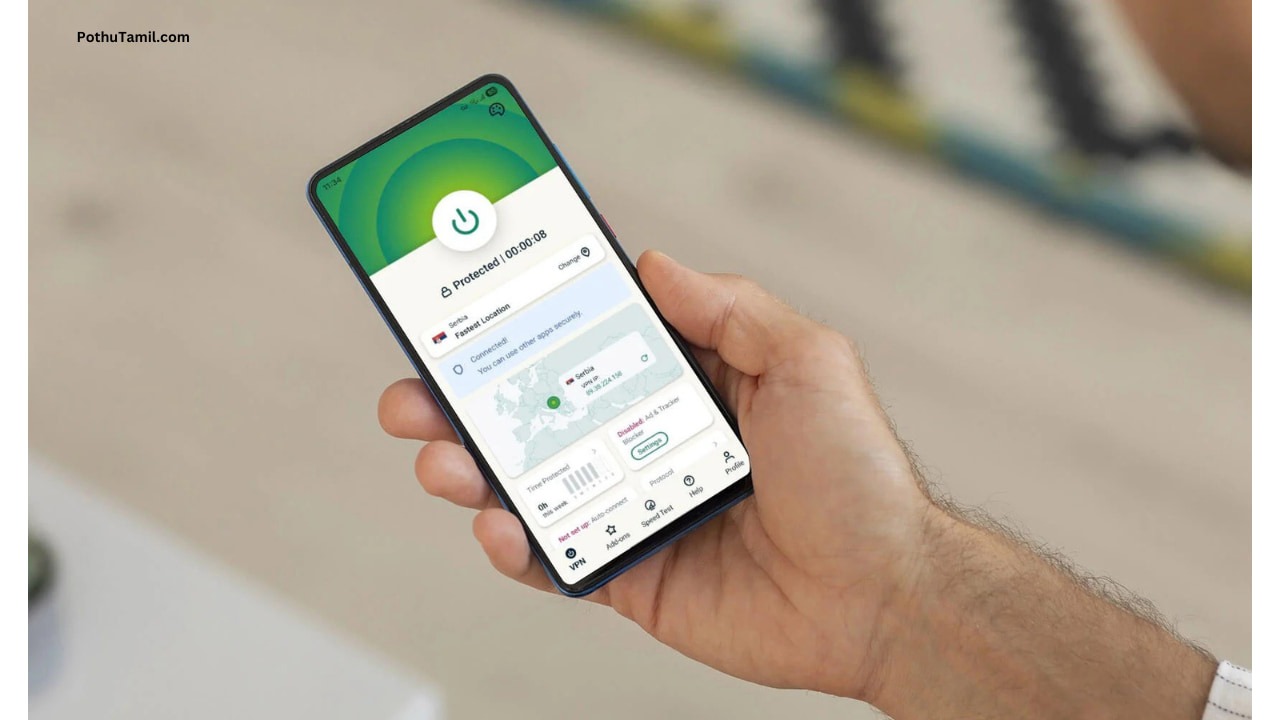
Modern mobile VPN apps include several advanced features designed for smartphone users. One important feature is the kill switch, which automatically disconnects internet access if the VPN connection drops unexpectedly.
Many VPN apps also provide split tunneling, allowing users to choose which apps use VPN protection while others connect normally. This improves flexibility and performance on mobile devices. Strong encryption standards such as AES-256 and modern protocols like WireGuard are also commonly used for better security and speed.
Battery optimization has also improved significantly in newer VPN apps, making them more suitable for daily mobile usage.
Business and Remote Work Usage
Businesses increasingly use mobile VPN apps to secure remote employees and protect enterprise communication. Employees accessing company systems through smartphones require secure connections to prevent unauthorized data exposure.
VPN solutions help organizations secure sensitive business applications, cloud systems, and remote access workflows. Enterprise mobile VPN usage has grown significantly due to remote work adoption and cloud-based business infrastructure.
This makes VPN technology an important part of modern cybersecurity strategies for mobile work environments.
Common Challenges
Although mobile VPN apps provide strong privacy benefits, they may occasionally reduce internet speed due to encryption and server routing. Free VPN apps can also present security risks if they log user activity or provide weak encryption systems.
Some poorly designed VPN applications may request excessive permissions or fail to protect data properly. Security researchers and cybersecurity experts recommend choosing trusted VPN providers with transparent privacy policies and audited no-log systems.
Users should also understand that VPNs improve privacy but do not provide complete anonymity or protection against malware and phishing attacks.
Future of Mobile VPN Apps
The future of VPN for mobile app technology is expected to focus heavily on AI-driven privacy tools, faster encryption protocols, and integrated mobile security features. Modern VPN providers are increasingly combining privacy tools with password management, threat detection, and mobile security services.
As mobile internet usage continues growing globally, demand for secure browsing and encrypted communication is expected to increase significantly. Privacy-focused mobile applications and cloud-based VPN systems are likely to become more advanced and widely adopted in the coming years.
Final Thoughts
VPN for mobile app solutions are becoming an essential part of modern smartphone security and online privacy protection. They help secure internet traffic, reduce tracking, and protect sensitive data from cyber threats while using mobile devices.
With increasing reliance on mobile applications and cloud-based services, VPN technology plays an important role in maintaining safe and secure digital experiences. Choosing a trusted VPN provider with strong encryption and transparent privacy practices is critical for achieving reliable mobile security.
hack uid mi paeisnl
Trending photo prompt venum